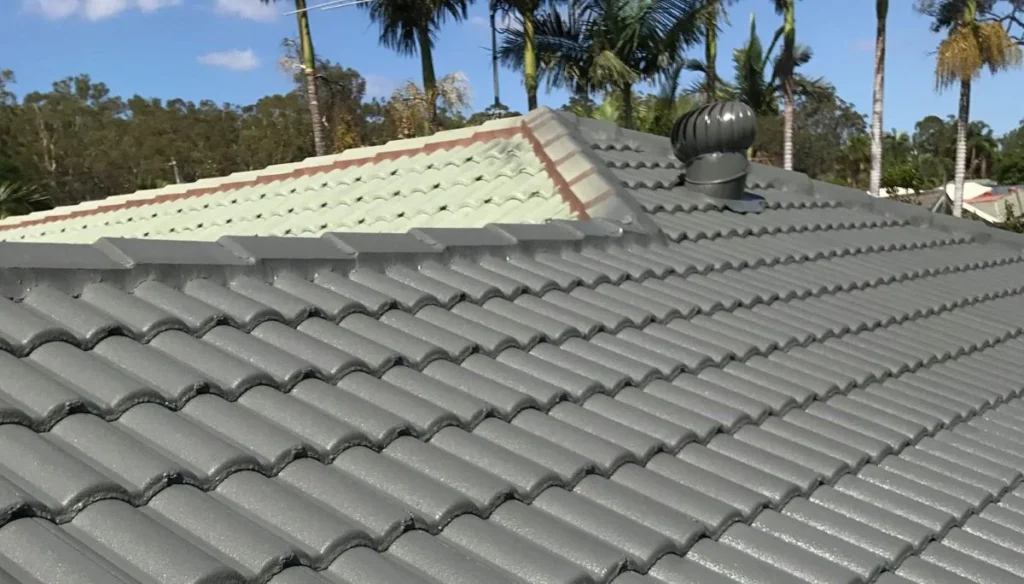
Roof repointing is the process of renewing the pointing along the ridge and hip capping of a tiled roof. This pointing serves as the visible finishing layer along the edges of each ridge cap, ensuring a seamless connection between the caps and the roof tiles. Beneath the pointing lies the bedding, which acts as the foundational layer supporting the ridge cap. When the pointing becomes cracked, crumbled, or detached from the tiles, it is essential to remove the loose material and apply a fresh layer of pointing compound to restore the structural integrity of the ridge line.
At Easy Cut Painting Services, we offer professional tile roof repointing as part of our extensive roof restoration services. This comprehensive offering includes the replacement and repair of damaged tiles, as well as the application of UV-stable roof coatings. Led by Nasser Khadivi, our business has proudly been serving homes in Sydney since 2000.
We are licenced by NSW Fair Trading as a painting contractor (licence number 105492C) and are proud members of Master Painters Australia. This guide explores the critical role of pointing on tiled roofs, the signs that indicate your ridge capping may need repointing, and the detailed steps involved in the repointing process. Our aim is to help you recognise potential issues before you schedule an inspection.
- Pointing serves as the visible finishing layer on the edges of ridge and hip caps, applied over the bedding layer.
- Signs such as cracked, crumbling, or gapped pointing along the ridge line indicate the need for repointing.
- If the bedding supporting a ridge cap is compromised, rebedding must be undertaken before applying new pointing.
- Flexible pointing compounds are designed to adapt to the movement of roofs without cracking, unlike rigid cement mortar.
- Easy Cut conducts a thorough roof inspection prior to providing a quote, with repointing included as part of our complete roof restoration service.
What Is Roof Repointing and Why Is It So Important?
On a tiled roof, ridge caps run along the apex, while hip caps extend down the sloped edges where two roof planes meet. Each cap is secured atop a bedding layer, and the joint between the cap and the roof tiles is finished with pointing. Roof repointing refers to the process of renewing this vital finishing layer when the existing pointing has begun to deteriorate.
Pointing plays a significant role that extends beyond enhancing the aesthetic appeal of the ridge line. According to Selleys, a manufacturer of flexible pointing compounds, their product functions as an adhesive mechanical fastener for hip and ridge tiles. Similarly, Monier describes its flexible pointing as an adhesive fastener for both concrete and terracotta hip and ridge tiles. These compounds are crucial for effectively securing the ridge capping.
Differentiating Between Bedding and Pointing on a Tile Roof
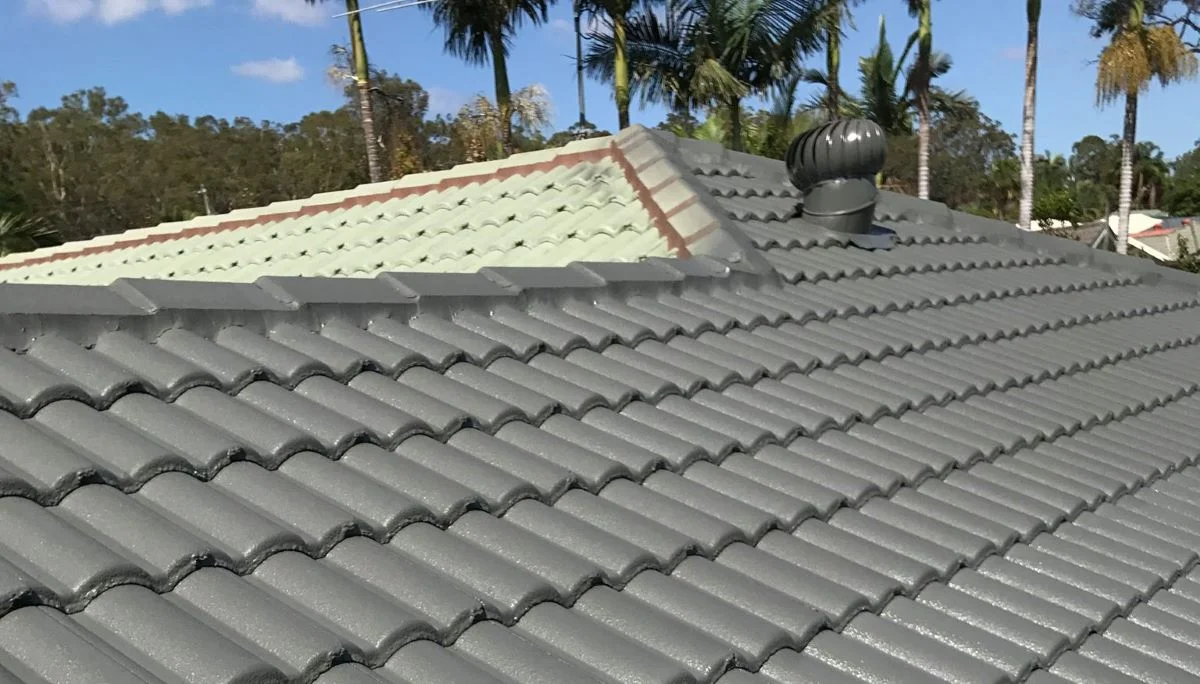
Bedding and pointing are two distinct layers within a roofing system. Bedding is applied first and serves as the foundational layer beneath the ridge cap. Once the bedding has set, the pointing is then applied on top. The Selleys data sheet specifies this sequence: bedding requires a curing period of at least 12 hours at temperatures of 15°C or above, or at least 24 hours at temperatures between 10°C and 15°C, before pointing can commence. The bedding must be flawless and should finish at least 3 mm below the edge of the ridge tiles.
Understanding this distinction is essential for determining whether a roof requires only repointing or if rebedding is also necessary. If the bedding beneath the ridge capping remains intact, the old pointing can be removed and a new layer applied. If the bedding has deteriorated, simply adding new pointing will not resolve the underlying issues, making rebedding crucial. At Easy Cut, we include rebedding of ridge capping in our service whenever we find the bedding to be compromised, ensuring appropriate measures are taken during the inspection.
What Causes Cracking in Ridge Cap Pointing?
Over time, a roof naturally experiences movement. Monier highlights that flexible pointing differs from traditional cement mortar pointing, which is inherently brittle. Flexible pointing maintains a degree of elasticity after curing, allowing it to adapt to the roof’s movement without cracking or separating. In contrast, rigid cement mortar lacks this flexibility, making it more susceptible to cracking or detaching when the roof shifts.
Environmental conditions during application significantly affect the durability of pointing. Selleys advises against applying its compound when the surface temperature is 10°C or lower or if rain is expected within two hours. It is vital to factor in prevailing weather conditions when scheduling for repointing.
How Can You Tell If Your Tile Roof Needs Repointing?
Several indicators suggest that a tiled roof requires repointing, which can be observed from the ground or from an upper-floor window that offers a view of the roof. Here are the key signs to look for:
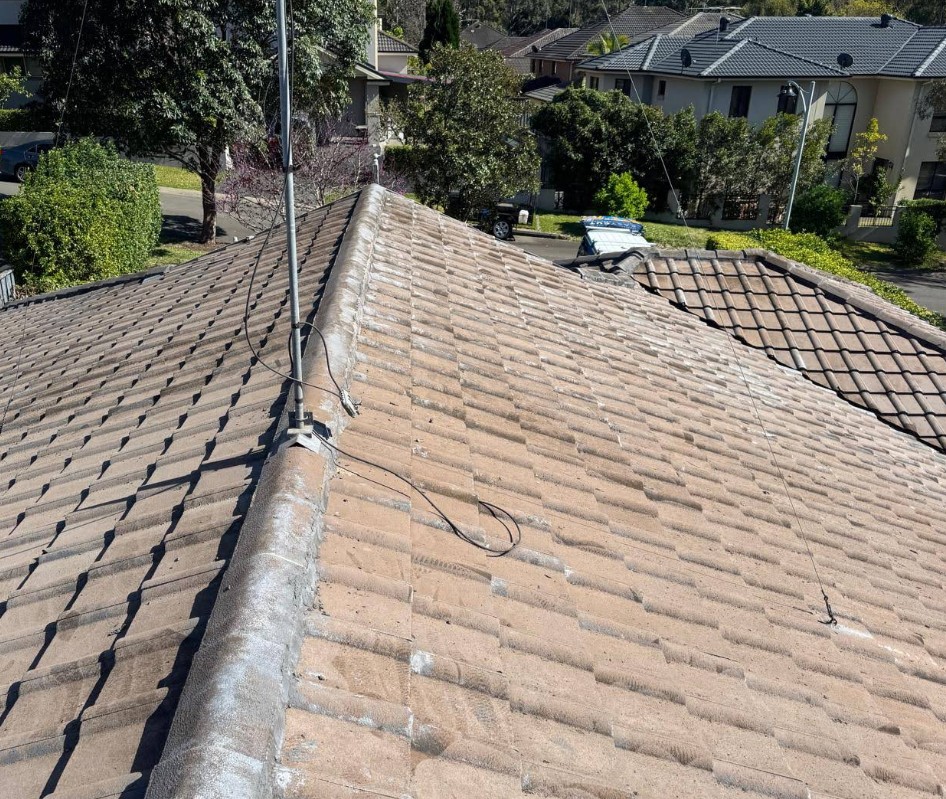
- Visible cracks along the pointing of the ridge or hip capping.
- Crumbling pointing that has deteriorated, resulting in gaps between the ridge caps and the roof tiles.
- Fragments of broken pointing found on the roof tiles or accumulating in the gutters.
- A ridge cap that appears misaligned with adjacent caps.
Cracked or deteriorating mortar around the ridge capping is a primary concern we investigate during roof assessments for restoration. We also evaluate other factors, including faded or chalky tiles, moss and lichen growth, and peeling coatings. If you notice any of these signs, please inform us of your observations when scheduling a booking. Our inspection will determine whether the ridges require repointing, rebedding, or tile replacement.
Step-by-Step Process for Roof Repointing
The application of pointing compounds follows specific guidelines outlined by the manufacturer, and installers are expected to adhere to Australian Standards. Below are the sequential steps involved in the repointing process, based on the Selleys Point Works Gen II data sheet:
- Inspect the ridge and hip lines to assess the condition of the bedding beneath.
- Remove cracked and loose pointing to ensure surfaces are clean, free from any residual powdery bedding mortar on the edges of the ridge tiles.
- Rebed any ridge caps where the bedding has deteriorated, allowing the new bedding to cure before proceeding with pointing.
- Apply the flexible pointing compound with a trowel, achieving a thickness of 3 to 5 mm, ensuring full contact with both the roof tile and the underside of the ridge tile.
- Incorporate weep holes in the ridges, as mandated by the Selleys data sheet, either during the application or upon completion of the pointing.
- Clean each hip and ridge after concluding the pointing work, preventing excess compound from setting on the roof tiles.
If any cracked or broken tiles are discovered during the inspection, they can be replaced as part of the overall roofing work, ensuring that the ridge lines and surrounding tiles are restored simultaneously.
Integrating Roof Repointing into Comprehensive Roof Restoration
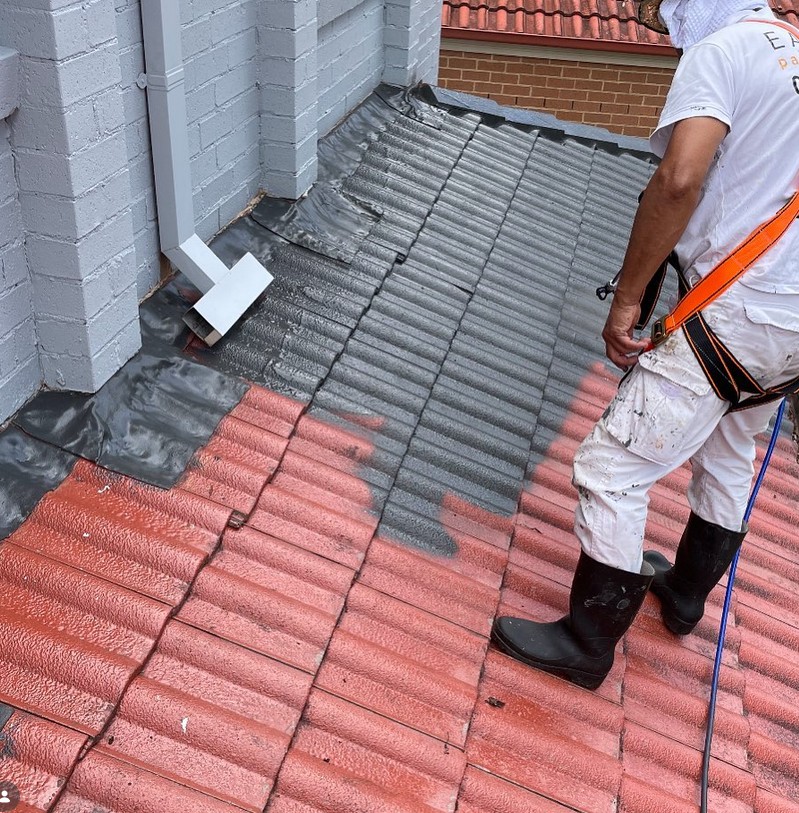
Some tile roofs require only repointing of the ridges, while others may show signs of faded tiles, moss and lichen growth, porous tiles that absorb moisture, or outdated coatings. For these roofs, repointing is just one facet of a thorough roof restoration. During a complete restoration, we clean the roof, treat biological growth, repair mortar and cracked tiles as necessary, seal the tiles, and apply a flexible membrane topcoat specifically designed for roof tiles. The mortar and tile repairs are completed prior to sealing and coating, ensuring the final finish is applied to a roof with intact ridges and no broken tiles.
If you are pondering whether your roof requires repainting or a full restoration, our guide on the importance of hiring qualified painters for roof painting and restoration clarifies the distinctions between the two services and highlights common pitfalls.
Factors Affecting the Cost of Roof Repointing
The cost associated with roof repointing varies based on the specific roof being assessed, which is why we provide quotes following an inspection rather than upfront. The following elements influence the final quote:
- The total length of ridge and hip capping that requires repointing.
- The condition of the bedding—whether it is intact or if the ridge caps also need rebedding.
- The number of cracked or broken tiles that require replacement.
- The roof’s pitch, height, and accessibility.
- Whether the repointing is performed independently or as part of a comprehensive roof restoration that includes cleaning, sealing, and coating.
When you contact us, Nasser typically visits the property personally. He evaluates the condition of the ridges, bedding, and tiles, measures the necessary work, and then provides a detailed, itemised quote outlining the tasks involved.
Frequently Asked Questions About Roof Repointing
What Is the Difference Between Repointing and Rebedding a Roof?
Rebedding involves replacing the bedding layer that supports the ridge cap. In contrast, repointing focuses on renewing the pointing, which is the finishing layer applied over the bedding at the edges of the ridge cap. A roof with sound bedding may only require repointing, while a roof with damaged or loose bedding will necessitate rebedding before new pointing can be applied.
Can You Repoint a Tile Roof Without Rebedding?
Yes, if the underlying bedding is in good condition. The Selleys data sheet for its flexible pointing specifies that the bedding must be free of holes and defects before the pointing is applied. Should the inspection reveal that the bedding is compromised, the affected ridge caps will first require rebedding.
Is Flexible Pointing Better Than Cement Mortar for Roof Repointing?
Monier describes traditional cement mortar pointing as inherently brittle, while its flexible pointing retains sufficient flexibility after curing to accommodate roof movement without cracking or breaking away. Both Monier and Selleys classify their flexible pointing compounds as adhesive mechanical fasteners for hip and ridge tiles.
Do Both Concrete and Terracotta Tile Roofs Need Repointing?
Both concrete and terracotta tile roofs feature ridge and hip capping finished with pointing, making either type susceptible to the need for repointing when the pointing fails. Monier produces its flexible pointing for use with both concrete and terracotta hip and ridge tiles, available in colours that match each type.
Can Roof Repointing Be Completed in Cold or Wet Weather?
Pointing compounds have specific temperature and weather conditions for application. Selleys advises against using its flexible pointing when the surface temperature is 10°C or lower or when rain is expected within two hours. Curing takes longer in cold and wet conditions, so repointing should ideally be planned for a dry day.
Book Your Roof Repointing Inspection with Easy Cut Painting Services
If the pointing on your ridge capping has cracked, crumbled, or formed gaps, contact Nasser at Easy Cut Painting Services on 0416 283 735, or submit an enquiry through our contact page.
Share your observations regarding the roof and its location, and we will arrange a time to inspect the ridges, bedding, and tiles. Based in Castle Hill, we service homes across the Hills District and the greater Sydney area.
After our inspection, we will discuss whether your roof requires repointing, rebedding, tile replacement, or a complete restoration, and provide you with a detailed itemised quote for the necessary work.
Sources: Monier, Roof tile accessories, Monier Flexible Pointing (monier.com.au/roof-tiles/accessories, retrieved 2026-10-30). Selleys, Point Works Gen II Technical Data Sheet, version 1.2 (selleys.com.au, retrieved 2026-10-30).
Original Article First Published At: Comprehensive Guide to Roof Repointing: What It Is, When Your Tile Roof Needs It, and the Process Involved
The Article: Roof Repointing: When and How to Care for Your Tile Roof first appeared on https://writebuff.com
The post Roof Repointing: Essential Tips for Tile Roof Maintenance appeared first on Limits Of Strategy.
The Article Roof Repointing Tips for Effective Tile Roof Care found first on https://electroquench.com