Ultimate Strategies for Caring for Afro-Textured Hair
Exploring the Distinctive Characteristics and Care Needs of Afro-Textured Hair
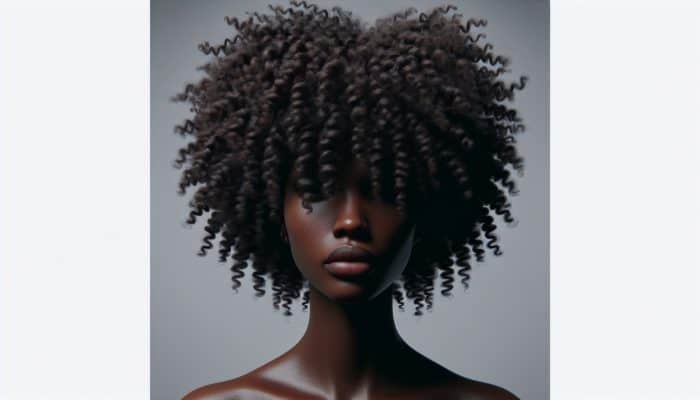
Afro-textured hair is uniquely characterised by its intricate structure, featuring tightly coiled or zig-zagged strands that present a wide range of textures from fine to coarse. This particular hair type often experiences heightened dryness due to its physical shape, which restricts moisture from travelling effectively along the hair shaft. Consequently, this makes afro-textured hair more susceptible to breakage. Understanding the specific traits of afro-textured hair is crucial for applying effective maintenance strategies and styling techniques. By acquiring knowledge about these unique characteristics, individuals can make informed choices about products and care methods tailored specifically to their hair's requirements, ultimately improving its health and vitality.
The primary characteristics of afro-textured hair include:
- Tightly coiled or zig-zagged strands
- Diverse textures ranging from fine to coarse
- Natural dryness due to the hair’s shape, which impedes moisture retention
- Increased susceptibility to breakage without proper moisture
- Notable shrinkage tendencies, often appearing shorter than its actual length
- Prone to frizz and tangles
By recognising these traits, individuals can select the most suitable products and techniques that cater specifically to the unique needs of afro-textured hair, thereby nurturing health and vibrancy in their tresses.
Understanding the Impact of Hair Porosity on Afro-Textured Hair Care
Grasping the concept of hair porosity is a key factor that influences how well afro-textured hair can absorb and retain moisture. Hair with high porosity tends to absorb moisture rapidly but can also lose it just as quickly, whereas low porosity hair resists moisture absorption. By identifying your hair's porosity level, you can make informed decisions regarding product selection and application methods, which will ultimately enhance hydration and care for your hair.
For individuals with high porosity afro-textured hair, it is advisable to select products that contain heavier moisturisers and sealants, such as oils or butters, to effectively lock in moisture. Conversely, those with low porosity hair should focus on using lightweight products and may find that applying heat during product application enhances moisture penetration. Testing porosity at home is quite easy; simply place a strand of hair in a glass of water. If the hair floats, it indicates low porosity, while sinking denotes high porosity. This understanding is critical for tailoring hair care routines that effectively cater to your hair's specific needs.
The Vital Role of Moisture in Maintaining Healthy Afro-Textured Hair
Moisture is absolutely fundamental to the upkeep of healthy afro-textured hair. Given its inherent tendency towards dryness, ensuring adequate hydration is essential for maintaining elasticity and preventing breakage. Without sufficient moisture, afro-textured hair can become brittle, leading to complications such as frizz and split ends.
To ensure regular hydration in your hair care routine, make use of moisturising shampoos, conditioners, and leave-in products specifically formulated for afro-textured hair. Furthermore, implementing techniques like the LOC (Liquid, Oil, Cream) method can significantly enhance moisture retention. Keeping your hair well-hydrated not only supports healthier growth but also improves the durability of styles, allowing for greater versatility in your looks. Establishing a consistent hydration regimen can dramatically transform the health of afro-textured hair, resulting in luscious, bouncy curls.
Expert Guidance on Selecting the Most Effective Products for Afro-Textured Hair
Identifying Essential Nourishing Ingredients for Afro-Textured Hair
When choosing products for afro-textured hair, it is crucial to prioritise ingredients that provide nourishment and hydration. Look for natural components like shea butter, coconut oil, and aloe vera, which are celebrated for their hydrating properties and their ability to enhance overall hair health.
To effectively identify these beneficial ingredients in products, consider implementing the following actionable strategies:
- Thoroughly examine the ingredients list, focusing on natural and organic components.
- Opt for products where beneficial ingredients are among the first five listed, indicating higher concentrations.
- Be cautious of synthetic additives such as silicones or harsh chemicals that may lead to product build-up.
- Seek brands that highlight their formulation philosophy, emphasising moisture and care for textured hair.
Products that incorporate these nourishing ingredients can significantly enhance the overall health and appearance of afro-textured hair, making them essential components of your hair care arsenal.
Assessing the Quality of Hair Products for Afro-Textured Hair
Evaluating product quality is a critical step in ensuring the health of afro-textured hair. Quality products are typically characterised by their focus on natural ingredients, the absence of harmful chemicals, and positive feedback from users.
Begin by looking for certifications such as organic or cruelty-free labels, which can indicate a commitment to quality and ethical sourcing. User reviews and testimonials offer valuable insights into a product’s effectiveness, showcasing real-world applications and results. Moreover, consider the product’s packaging; well-made packaging often reflects a brand’s professionalism and care for its consumers.
Engaging with communities, both online and offline, can provide additional insights and recommendations. Overall, opting for high-quality products specifically formulated for afro-textured hair can lead to improved manageability, health, and shine.
Best Practices for the Application of Hair Products to Afro-Textured Hair
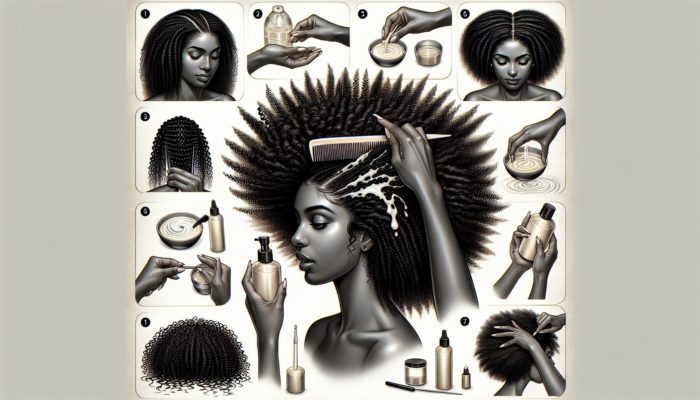
To maximise the effectiveness of hair products, it is essential to implement proper application techniques. Here are some of the best practices for applying products to afro-textured hair:
- Start with clean, damp hair to facilitate enhanced product absorption.
- Utilise the LOC method for effective layering of products.
- Apply products in sections to guarantee even distribution throughout the hair.
- Always use a detangler or leave-in conditioner before styling to minimise breakage.
- Exercise gentleness during styling to avoid placing undue tension on the hair strands.
- Use a wide-tooth comb or your fingers for detangling to reduce damage.
- Consider heat activation for certain products to improve penetration.
- Conclude with a sealant to lock in moisture and add shine.
By applying these practices, you will not only enhance the effectiveness of the products used but also promote healthier hair overall.
Identifying the Best Shampoos and Conditioners for Afro-Textured Hair
Essential Characteristics of Effective Shampoos for Afro-Textured Hair
An effective shampoo for afro-textured hair should be formulated without sulfates, as these harsh ingredients can strip the hair of its natural oils, exacerbating dryness. Instead, seek shampoos that are rich in moisturising ingredients and gentle cleansers designed to preserve the integrity of the hair.
These shampoos should also include humectants that attract moisture, such as glycerin or honey, which are particularly beneficial for afro-textured hair. A quality shampoo will efficiently cleanse the scalp while leaving the hair feeling soft and hydrated rather than stripped and brittle. It is also crucial to choose a product that aligns with your hair's porosity; for instance, those with low porosity may benefit from lighter, clarifying shampoos.
Consistently using a high-quality shampoo can prevent product build-up and maintain scalp health, both of which are essential for the growth and vitality of afro-textured hair. Ensuring a nourishing wash routine will lay the groundwork for healthy hair.
Understanding the Benefits of Conditioners for Afro-Textured Hair
Conditioners are integral to the maintenance of afro-textured hair, providing essential moisture and detangling properties crucial for managing this hair type. They function by coating the hair shaft, aiding in smoothing the cuticle and enhancing manageability, thus reducing frizz and breakage.
Opt for conditioners that are abundant in natural oils and butters, as these components penetrate the hair deeply, providing long-lasting hydration. Furthermore, using a conditioner following shampooing not only replenishes moisture lost during cleansing but also amplifies the overall shine and health of the hair.
Incorporating a deep conditioning treatment into your routine once a week can further bolster hair health, allowing for recovery from damage and promoting elasticity. This regular practice ensures that afro-textured hair remains strong, healthy, and vibrant.
How to Discover the Ideal Shampoo and Conditioner Combination
Selecting the right combination of shampoo and conditioner can significantly elevate the care regimen for afro-textured hair. It is important to consider the compatibility of ingredients to ensure their synergistic effects, promoting overall health and manageability.
An effective duo typically features a hydrating shampoo paired with a deeply moisturising conditioner. For example, utilise a shampoo containing natural botanical extracts alongside a conditioner enriched with proteins and oils. This pairing can help reinforce moisture levels while ensuring the hair is gently cleansed and well cared for.
Additionally, personal preference and specific hair needs will influence product selection. Regularly evaluate how your hair responds to different combinations to determine what works best. The right shampoo and conditioner combination can create remarkable improvements in the texture and appearance of afro-textured hair.
Determining the Optimal Washing Frequency for Afro-Textured Hair
Washing afro-textured hair too frequently can strip it of its natural oils, resulting in increased dryness and potential damage. It is generally advisable to wash this hair type once a week or every two weeks, depending on personal needs and lifestyle factors.
Considerations such as product build-up, scalp health, and environmental conditions should guide your washing frequency. If you engage in activities that lead to sweating or exposure to pollutants, more frequent washes may be necessary to maintain scalp cleanliness. However, during the weeks when you do not wash, consider co-washing with a conditioner to provide moisture without fully stripping the hair.
Establishing a balanced washing routine is vital for maintaining the hair’s natural moisture balance and overall health. This approach will help keep afro-textured hair hydrated and manageable while minimising potential damage.
Research-Based Insights on Optimal Products for Afro-Textured Hair
Enhancing Hair Vitality with Moisturising Products
Moisturising products are fundamental to enhancing the health of afro-textured hair, which inherently requires additional hydration due to its structure. These products assist in maintaining the hair's natural elasticity, significantly reducing breakage and promoting growth.
Moisturising formulations, typically rich in oils and humectants, work to penetrate the hair shaft, delivering hydration from within. The regular use of such products creates a protective barrier against environmental factors and heat styling, both of which can contribute to damage over time. Consistently incorporating moisturising products into your routine can greatly improve the overall resilience and appearance of afro-textured hair, ensuring it remains healthy and vibrant.
Expert analysis indicates that moisture levels directly correlate with hair strength and elasticity, emphasising the importance of these products in daily hair care. The outcome is not merely healthier hair; it promotes confidence and styling versatility.
The Role of Proteins in Strengthening Hair
Proteins are vital in hair care, particularly for afro-textured hair, which can be especially vulnerable to breakage. These macromolecules are essential for repairing and fortifying the hair shaft, contributing significantly to overall hair health.
Integrating protein-rich treatments into your hair care regimen helps reinforce the structure of afro-textured hair, making it less prone to damage. Hydrolysed proteins, such as keratin and silk protein, are particularly effective as they penetrate the hair shaft and repair weak areas. However, balancing protein treatments with adequate moisture is crucial to avoid dryness, which can lead to brittleness.
Understanding your hair’s specific protein requirements is essential. Excessive protein can result in stiffness, so aim for a balanced regimen that includes both moisture and protein treatments to maintain optimal hair health. This thoughtful approach ensures that afro-textured hair remains strong, resilient, and full of vitality.
The Benefits of Leave-In Conditioners for Afro-Textured Hair
Leave-in conditioners play a critical role in the maintenance of afro-textured hair, providing continuous moisture and protection throughout the day. These products are designed to be applied post-wash, remaining in the hair to deliver ongoing hydration and detangling benefits.
The effectiveness of leave-in conditioners lies in their formulation, which often includes a blend of nourishing ingredients such as aloe vera, glycerin, and natural oils. These components work synergistically to lock in moisture, provide definition, and control frizz, which are essential for preserving the beauty of afro-textured hair.
Real-world testimonials about leave-in conditioners highlight their ability to improve hair manageability and health. Users frequently report reduced breakage and enhanced elasticity, resulting in easier styling and a more polished overall appearance. Incorporating a quality leave-in conditioner into your daily routine can significantly elevate the care of afro-textured hair, making it an essential product in your hair care collection.
The Nourishing Power of Oils and Butters for Afro-Textured Hair
Oils and butters play a crucial role in nourishing afro-textured hair, delivering essential nutrients and hydration. These ingredients are rich in fatty acids, vitamins, and antioxidants, all of which contribute to the health and shine of the hair.
Utilising oils like coconut, olive, and jojoba can penetrate the hair shaft deeply, ensuring moisture retention and enhancing softness. Butters such as shea and mango form a protective layer, sealing in hydration and minimising environmental damage. Incorporating these elements into your hair care routine can lead to improved texture, reduced frizz, and enhanced shine.
Application methods for oils and butters are equally significant. They can be used as pre-poo treatments, during styling, or as finishing products to add moisture and shine. Understanding how to effectively utilise these nourishing ingredients will greatly benefit the overall health and appearance of afro-textured hair.
The Importance of Sulphate-Free Shampoos for Hair Health
Sulphate-free shampoos are highly recommended for afro-textured hair as they are gentler and help to preserve the hair's natural oils. Traditional shampoos containing sulphates can result in dryness and damage, stripping the hair of essential moisture and exacerbating issues common to afro-textured hair.
By choosing sulphate-free alternatives, individuals can maintain healthier conditions for both hair and scalp. These products typically contain milder surfactants that cleanse without harsh effects, allowing hydration to be retained. Many sulphate-free shampoos are also formulated with nourishing ingredients that cater specifically to the unique needs of afro-textured hair.
Transitioning to sulphate-free shampoos can yield noticeable improvements in hair texture and moisture retention. Users often experience reduced frizz and enhanced manageability, establishing a more effective hair care routine over time.
Strategic Approaches to Styling Afro-Textured Hair
Choosing the Best Alcohol-Free Styling Gels for Afro-Textured Hair
The most effective styling gels for afro-textured hair are those that are alcohol-free and contain moisturising agents. These gels provide hold while ensuring that the hair remains hydrated and healthy, which is crucial for styling without causing dryness or flakiness.
Look for gels that incorporate natural ingredients such as flaxseed or aloe vera, which not only offer hold but also nourish the hair. Avoid products with high alcohol content, as they can lead to brittleness and breakage. It's also beneficial to select gels that provide a flexible hold, allowing movement while maintaining style integrity.
To apply styling gel effectively, distribute it evenly throughout damp hair. This can be accomplished using fingers or a wide-tooth comb to ensure that every strand is coated. The result is beautifully defined curls or styles that appear polished without compromising the hair's health.
Maximising the Potential of Mousses in Styling Afro-Textured Hair
Mousses can be an excellent addition to the styling routine for afro-textured hair, offering volume and definition without weighing the hair down. The key to effective use lies in proper application techniques.
To achieve the best results, consider these mousse application tips:
- Always start with clean, damp hair for optimal styling.
- Shake the mousse canister well before use to activate the product.
- Dispense an appropriate amount into your palm and distribute it evenly.
- Apply mousse in sections, scrunching hair upwards to encourage curl formation.
- Utilise a diffuser attachment on your hair dryer for added volume and definition.
- Avoid applying excessive product to prevent stickiness or weighing down curls.
- Experiment with layering products to enhance definition and hold.
- Finish with a light holding spray or oil for added shine and protection.
Utilising mousse in this manner can elevate the styling process, resulting in beautifully defined and voluminous afro-textured hair.
Incorporating Oils and Butters into Your Styling Routine
Oils and butters not only nourish afro-textured hair but also play a pivotal role in styling. They provide moisture and shine, amplifying the natural beauty of the hair while helping to define curls and support various styling techniques.
Integrating oils such as argan or sweet almond oil into your styling routine can assist in combating frizz and adding shine. Butters like shea can be utilised to create separation and definition in styles, making them ideal for twist-outs or braids. These products can also provide a protective layer against heat and environmental stressors, ensuring that the hair remains healthy while styled.
When applying oils and butters for styling, consider the amount used to avoid heaviness. A small quantity can be very effective, and it's advisable to apply them to damp hair for maximum benefits. This thoughtful approach will not only enhance your styling results but also support the health of afro-textured hair.
Strategic Approaches to Selecting the Best Products for Afro-Textured Hair
Implementing Effective Product Rotation for Optimal Hair Health
Product rotation is a strategic practice in hair care that can help prevent build-up and sustain the health of afro-textured hair. Rotating products allows for varied application of ingredients, catering to the changing needs of your hair over time.
To effectively rotate your hair products, consider the following actionable strategies:
- Regularly assess your hair’s condition to identify its current needs.
- Keep track of products used, noting their effects on your hair.
- Gradually introduce new products, allowing your hair to adjust.
- Alternate between heavier moisturising products and lighter ones based on seasonal changes.
- Be mindful of ingredient compatibility to avoid adverse reactions.
- Listen to your hair; if it feels dry or greasy, reconsider your product choices.
- Experiment with different brands or formulations to discover what works best for you.
- Incorporate treatments such as deep conditioning or protein masks periodically.
This approach not only sustains the health of afro-textured hair but also increases the likelihood of discovering the most effective products for your unique hair journey.
Customising Your Hair Care Routine for Maximum Effectiveness
Customising a hair care routine to address the individual needs of afro-textured hair is essential for achieving optimal results. Consider various factors such as hair porosity, density, and lifestyle when developing a personalised regimen.
Begin by assessing your hair type and texture, noting specific challenges such as dryness, breakage, or tangling. Incorporate practices that address these issues, such as regular moisturising, protective styling, and consistent trimming.
Additionally, take your lifestyle into account; if you're frequently exposed to heat or environmental stressors, include products that offer protection and hydration. Regularly revisit and adjust your routine as your hair evolves over time to ensure that you remain responsive to its needs.
Establishing a routine tailored specifically to afro-textured hair will yield the best results, resulting in vibrant, healthy locks that reflect your unique beauty.
The Significance of Regular Trims for Maintaining Healthy Hair
Regular trims are a foundational aspect of maintaining the health and appearance of afro-textured hair. Trimming helps eliminate split ends and prevents further damage, thus promoting growth and overall hair vitality.
Aim to trim your hair every 6 to 8 weeks, or as needed, based on your hair's condition and growth rate. A skilled stylist can assess your hair and recommend the optimal timing for trims to maintain its health without sacrificing length.
Incorporating this practice into your hair care regimen will not only improve texture and manageability but also encourage a healthier growth pattern. Regular trims are a simple yet effective strategy for achieving the best possible outcomes for afro-textured hair.
Tackling Common Hair Concerns for Afro-Textured Hair
Identifying the Underlying Causes of Dryness in Afro-Textured Hair
Dryness in afro-textured hair can arise from a multitude of factors, including environmental conditions, improper product usage, and the inherent structure of the hair itself. The tightly coiled shape of afro-textured hair can impede moisture from being evenly distributed along the length of the strands, ultimately leading to dryness, particularly at the ends.
Low humidity levels, common in many regions, can exacerbate this issue by drawing moisture away from the hair. Furthermore, chemical treatments and heat styling can deplete the hair of its natural oils, increasing vulnerability to dryness and damage.
To combat dryness, focus on establishing a consistent moisturising routine, utilising products specifically designed for afro-textured hair, and minimising exposure to harsh environmental factors. Understanding the causes of dryness is the first step towards implementing effective solutions and promoting overall hair health.
Effective Strategies for Preventing Hair Breakage
Preventing breakage in afro-textured hair is critical for maintaining its health and integrity. Breakage can stem from various factors, including dryness, improper handling, and the use of unsuitable products.
To minimise breakage, prioritise moisture retention. Regularly incorporate deep conditioning treatments into your regimen to strengthen and hydrate the hair. Additionally, handle your hair gently when detangling; using a wide-tooth comb and working in sections can help reduce tension on the strands.
Avoid tight hairstyles that place excessive stress on the hair, and consider protective styling options that allow your hair to rest. Incorporating high-quality oils and butters can also provide an additional layer of protection against breakage. By prioritising a gentle, moisture-focused regimen, you can significantly reduce the risk of hair breakage and encourage healthier growth.
Maintaining Scalp Health for Optimal Afro-Textured Hair
A healthy scalp is integral to the overall vitality of afro-textured hair. Regular cleansing, moisturising, and addressing specific scalp concerns are essential practices for maintaining optimal scalp health.
Begin by cleansing regularly with a gentle, sulphate-free shampoo to eliminate dirt and product build-up without stripping natural oils. Follow this with a moisturising conditioner, ensuring that the scalp receives equal attention as the hair.
Incorporating scalp massages with oils can stimulate circulation and promote hair growth. If issues such as dandruff or irritation arise, seek out treatments specifically designed for these concerns. Prioritising scalp health is a vital step in enhancing the vitality and appearance of afro-textured hair.
Promoting Hair Growth in Afro-Textured Hair
Encouraging hair growth in afro-textured hair necessitates a multifaceted approach that includes nourishing the scalp, minimising breakage, and utilising products that stimulate growth. Regularly moisturising the scalp with oils can create an ideal environment for hair to thrive.
Incorporating growth-enhancing treatments containing ingredients such as biotin, rosemary oil, or peppermint can also stimulate hair follicles and promote growth. Consistency is key, as hair growth requires time and patience.
Moreover, ensure that you provide adequate nutrition for your body; a diet rich in vitamins and minerals will positively impact your hair's health. By concentrating on these pivotal areas, you can create a supportive environment for the growth of afro-textured hair, ultimately leading to longer and healthier strands.
Commonly Asked Questions Regarding Afro-Textured Hair Care
What is the most effective method for moisturising afro-textured hair?
The most effective strategy for moisturising afro-textured hair involves using a combination of hydrating products, such as leave-in conditioners and oils, while adhering to the LOC method to effectively lock in moisture.
How can I determine if my hair has low or high porosity?
You can assess your hair's porosity by performing a simple water test; if a strand floats, it indicates low porosity, while a sinking strand signifies high porosity.
How often should I deep condition my afro-textured hair?
Deep conditioning afro-textured hair once a week is typically recommended to maintain moisture levels and prevent damage, though you can adjust this based on your hair's specific requirements.
Is it appropriate to use regular shampoos on afro-textured hair?
Regular shampoos often contain sulfates that can strip moisture from afro-textured hair. It is advisable to use sulphate-free shampoos specifically formulated for textured hair.
What are the indicators of breakage in afro-textured hair?
Signs of breakage include uneven lengths, split ends, and excessive shedding. If your hair feels brittle or rough, it may also indicate breakage.
Is it essential to apply a heat protectant before styling?
Yes, applying a heat protectant prior to styling is crucial to safeguard afro-textured hair from damage caused by heat tools, helping to preserve its health and integrity.
What strategies can I employ to avoid frizz in afro-textured hair?
To prevent frizz, ensure that afro-textured hair is well-moisturised, use anti-frizz products, and limit excessive handling of the hair to maintain its defined appearance.
What is the best technique for detangling afro-textured hair?
The best technique for detangling afro-textured hair is to work in sections, using a wide-tooth comb or your fingers on damp, conditioned hair to prevent breakage.
What is the average growth rate for afro-textured hair?
On average, afro-textured hair grows approximately half an inch per month. However, individual growth rates can vary based on genetics, overall health, and hair care practices.
Can hair products expire, and how can I identify this?
Yes, hair products can expire. Check the packaging for an expiration date or a Period After Opening (PAO) symbol. If a product has an unusual smell or changes in texture, it is best to discard it.
Connect with us on Facebook!
The Article: Best Products for Afro-Textured Hair: Essential Guide appeared first on Amitys Hair Salon.
The Article Afro-Textured Hair Products: Your Essential Guide Was Found On https://limitsofstrategy.com