Master Hairdressing Terminology to Elevate Your Salon Experience
What Essential Techniques Should You Master in Hair Layering and Texturising?
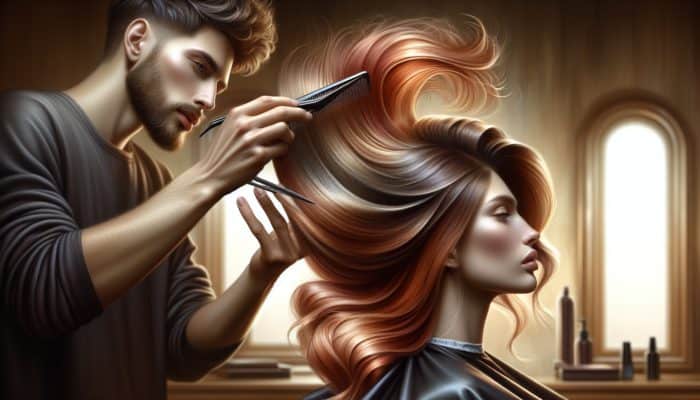
Understanding hairdressing jargon is vital for enhancing your salon experience. Techniques such as layering and texturising are essential skills that dramatically enhance the look and feel of your hairstyle. Layering involves cutting hair at varying lengths, which adds depth and movement, perfectly framing the face. This method is particularly advantageous for clients with fine hair who desire additional volume or those with thick hair types who need to reduce bulk. An adept stylist will blend these layers strategically, creating a fluid, harmonious appearance that enhances your facial features.
Conversely, texturising focuses on removing excess bulk using tools like texturising shears or razors to introduce texture while preserving length. The outcome is a lightweight, easy-to-style look that can be adapted in numerous ways. This technique is transformative for individuals with thick or coarse hair, simplifying the styling process and delivering a modern aesthetic. By familiarising yourself with these crucial techniques, you can engage in meaningful discussions with your stylists, ensuring a fulfilling salon experience that aligns with your aesthetic aspirations.
What Impact Does Hair Thinning Have on Your Hairdressing Experience?
Hair thinning is a pivotal technique that significantly contributes to hairdressing, especially for clients with thick or coarse hair. This method not only helps to diminish volume but also enhances manageability, resulting in a more polished and refined look. By selectively thinning specific areas, stylists can achieve a lighter feel, allowing for greater versatility in creating various hairstyles. This is particularly crucial for clients who find their hair cumbersome or challenging to style.
The thinning process typically employs specialised thinning scissors or techniques such as slide cutting, where the stylist glides the scissors down the hair length to eliminate bulk without leaving blunt ends. Clients with curly or wavy hair can particularly benefit from thinning, as it reduces frizz while highlighting the natural curl structure. It is essential for clients to communicate their preferences regarding thinning, as excessive thinning may lead to undesirable outcomes. By comprehending the importance of hair thinning, clients can facilitate more productive conversations with their stylists, ultimately achieving their desired results effectively.
How Can You Accurately Understand Hair Length Terminology?
Grasping hair length terminology is critical for effective communication within the salon environment, as these terms can vary widely among stylists. Words like ‘short’, ‘medium’, and ‘long’ often hold subjective meanings that could lead to confusion. For example, what one stylist perceives as short hair may be classified as medium length by another. To navigate this terminology efficiently, clients should familiarise themselves with standard industry classifications for hair length.
Generally, short hair refers to styles that fall above the shoulders, including popular looks like pixie cuts or bobs. Medium-length hair typically describes hairstyles that extend between the shoulders and the collarbone, such as lobs or shoulder-length cuts. Long hair usually refers to hair that extends beyond the collarbone, often reaching down the back or further. Visual aids can significantly enhance these discussions; bringing images that represent preferred lengths can clarify expectations and ensure alignment between stylist and client. By understanding these terms, clients can articulate their desired styles more accurately and clearly.
What Effective Hair Sectioning Techniques Should You Employ?

Mastering effective hair sectioning techniques is essential for achieving precision cuts and styles in the hairdressing industry. Proper sectioning allows stylists to work with methodical efficiency, ensuring that each hair strand receives the necessary attention for accuracy and quality. The most recognised sectioning methods include horizontal, vertical, and diagonal sectioning, each tailored to specific requirements and desired hairstyle outcomes.
Horizontal sectioning is frequently employed for layering and cutting, enabling the stylist to proceed systematically across the head. This technique proves particularly effective for creating uniform layers while maintaining balance throughout the cut. In contrast, vertical sectioning excels in instilling texture and movement, especially in longer hair, providing the stylist with enhanced control, particularly when working with thick or curly textures. Diagonal sectioning is often used to achieve softer lines and blended styles. Implementing these techniques not only boosts the stylist's efficiency but also significantly elevates the quality of the haircut. By appreciating the nuances of hair sectioning, clients gain insight into the artistry involved in their haircuts.
Expert Insights on Understanding Hairdressing Terminology
What Are Real-World Examples of Common Hairdressing Terms?
Deciphering hairdressing terminology may seem daunting, akin to learning a new language; however, real-world examples can simplify the process. Various salons across the globe adopt specific terminology that reflects their distinctive styles and techniques. For instance, in a chic salon in London, the term ‘feathering' may describe a layering technique where hair ends are cut at an angle to achieve a soft, wispy effect. Meanwhile, a stylist in New York might use ‘graduation' to explain a cutting method where the hair is progressively shortened from back to front, resulting in a structured, refined appearance.
Here are some common hairdressing terms along with their practical applications:
- Blunt Cut: A straight-across cut that creates a sharp edge, often used for bobs.
- Shag: A layered haircut that adds texture and movement, originally popularised in the 1970s.
- Balayage: A freehand highlighting technique that results in a beautiful, sun-kissed effect.
- Underlayer: A hidden layer of hair that adds volume and dimension beneath the top layer.
- Clipper Over Comb: A method using clippers to cut hair while combing it into position.
- Point Cutting: A technique where hair ends are cut at an angle to introduce texture.
- Pin Curl: A method where hair is rolled and pinned to create curls.
- Root Smudge: A technique that slightly darkens roots to create a softer colour transition.
These examples underscore how terminology can differ based on location and style, highlighting the importance of clients understanding these terms for effective communication with their stylists. Engaging in discussions about preferred styles can lead to a more satisfying salon experience overall.
What Are the Historical Origins of Hairdressing Jargon?
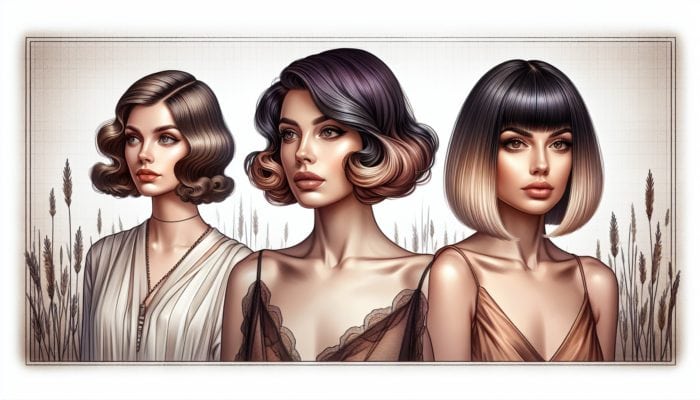
The historical roots of hairdressing terminology are rich and multifaceted, with many terms tracing back to traditional practices or specific techniques employed by seasoned professionals. Comprehending the origins of these terms can deepen clients' appreciation for the craft and enhance their conversations with stylists. For instance, the term ‘bob' originally refers to a hairstyle that became fashionable in the 1920s, symbolising liberation and modernity for women. Similarly, the term ‘ombre' is derived from the French word meaning ‘shadow', describing the gradual blending of one colour into another.
Numerous hairdressing terms also originate from technical practices, often associated with the tools or methods used in the craft. For example, the phrase ‘razor cut' refers to a technique that utilises a razor to achieve a specific texture and shape. Meanwhile, ‘chemical treatment' encompasses processes like perming or relaxing that alter the hair's structure at a molecular level. By becoming acquainted with these origins, clients can develop a greater appreciation for the artistry involved in hairdressing.
As hairstyles evolve alongside trends and technological advancements, so does the vocabulary associated with them. Modern stylists frequently adapt their language to reflect contemporary influences, incorporating terms that resonate with clients. For example, the rise of social media has popularised phrases like ‘Insta-worthy' to describe styles that are particularly photogenic. Understanding these shifts empowers clients to engage more meaningfully with their stylists as they navigate the ever-evolving landscape of hairdressing terminology.
How Can You Provide Insight on Evolving Hairdressing Terminology?
In the dynamic realm of hairdressing, the vocabulary is continually evolving, influenced by cultural shifts, technological advancements, and changing consumer preferences. Experienced professionals assert that the hairdressing lexicon adapts to reflect new trends and innovations within the industry. For instance, the growing emphasis on sustainable and eco-friendly practices in hairdressing has introduced terms like ‘clean beauty' and ‘sustainable colour' into everyday discussions. These terms reflect an increasing awareness of environmental issues and signify a shift in client priorities as they become more conscious of the products they choose.
Moreover, the impact of digital culture on hairdressing terminology is substantial. Social media platforms such as Instagram and TikTok have spurred a new lexicon, with phrases like ‘hair goals', ‘hair inspo', and ‘hair transformation' becoming increasingly prevalent. Stylists are incorporating these terms into their communications, resonating with a tech-savvy clientele that seeks instant gratification and visually appealing results. This evolution in language serves not only to attract clients but also to foster a sense of community among hairstylists who share a common vocabulary.
As trends continue to shift, hair professionals must remain informed and adapt their language accordingly. This adaptability enhances their ability to connect with clients, ensuring that the language of hairdressing remains relevant and relatable. By embracing evolving terminology, stylists can sharpen their communication skills and showcase their expertise and authority within the industry.
Essential Techniques and Tools for Mastering Hairdressing
What Fundamental Tools Should Every Professional Hair Stylist Own?
Selecting the appropriate tools is crucial for achieving professional results in hair cutting. Each tool serves a specific function and can profoundly influence the outcome of a haircut. Essential tools for hair cutting consist of scissors, clippers, razors, and Combs.
Scissors are arguably the most critical tool in any stylist's toolkit. Professional hairdressing scissors are meticulously designed for precision, allowing for clean cuts and intricate work. Stylists often select scissors based on blade type, length, and handle comfort, as these factors influence both cutting technique and comfort during extended sessions. Clippers are indispensable for creating short hairstyles, fades, and buzz cuts. Their versatility allows stylists to switch between various guard sizes, efficiently achieving a range of hair lengths and styles.
Razors are another essential tool in a stylist's arsenal. Techniques involving razor cutting can yield soft, textured ends that impart a contemporary aesthetic to any haircut. Proper handling of razors requires a specific skill set, as improper use can lead to damage or uneven cuts. Combs, while seemingly basic, are crucial for both cutting and styling. They assist in sectioning hair, detangling, and creating precise partings, making them indispensable for any stylist. By recognising the importance of these tools, clients can gain insight into the expertise necessary for achieving their desired hairstyles.
How Should You Effectively Utilise a Razor for Texturising Hair?
Employing a razor for hair texturising is an art that necessitates both practice and precision. This technique involves using a razor to remove excess bulk and create movement in the hair, resulting in a softer, more natural finish. The process begins with selecting the appropriate type of razor: either a straight razor or a texturising razor with a guard may be effective, depending on the desired outcome.
To commence, the stylist should prepare the hair by ensuring it is clean and damp, as this enhances pliability and makes the hair easier to manage. Sectioning the hair into smaller, manageable parts is critical for maintaining control during the texturising procedure. The stylist then employs gentle, controlled strokes with the razor while holding it at an angle to the hair. This method facilitates bulk removal without significantly altering the length. A common technique involves gliding the razor down the hair shaft, softening the lines and yielding a more blended appearance.
Stylists must communicate with clients about their preferences throughout this process. The goal of texturising is to enhance the hair's natural characteristics without compromising its health. Over-texturising can lead to thin or frizzy hair, so a skilled stylist will always assess the hair's condition and adjust their technique as necessary. By mastering the art of razor texturising, stylists can provide clients with a fresh, modern look that embodies movement and vitality.
Why Are Combs Essential in Hair Styling?
Combs are indispensable tools in hair styling, fulfilling numerous functions that enhance the overall quality of a hairstyle. From sectioning and detangling to establishing precise partings, combs are essential for any stylist. Various types of combs cater to different tasks, making it crucial for stylists to select the right one based on specific styling requirements.
Fine-tooth combs are typically used for detailed work, such as creating clean partings or smoothing hair before styling. They are particularly effective for straight hair but can present challenges for textured or curly hair. Conversely, wide-tooth combs are ideal for detangling both wet and dry hair, as they minimise breakage and preserve hair integrity. For specific styling techniques, such as updos, tail combs are invaluable due to their pointed ends, which facilitate precise sectioning and control.
Moreover, combs are critical for achieving the desired texture and finish across various styles. For instance, backcombing with a teasing comb can add volume and lift at the roots, while combing through products ensures even distribution. The right comb can significantly enhance a stylist's effectiveness and contribute to the overall aesthetic of the hairstyle. By understanding the significance of combs and their diverse functionalities, clients can appreciate the skill involved in their stylist's work.
How to Choose the Perfect Scissors for Hair Cutting?
Selecting the appropriate scissors for hair cutting is a vital skill for any stylist, as the right choice can greatly influence the quality of the haircut. Several factors must be considered when choosing the ideal pair of scissors, including blade type, size, and handle comfort. Understanding these elements helps stylists achieve precision while minimising strain on their hands during prolonged cutting sessions.
The blade type is a primary consideration. Professional scissors typically feature either a convex or bevelled edge; convex blades offer a smooth cutting action, ideal for blunt cuts, while bevelled blades are better suited for slide cutting and texturising. The size of the scissors also plays a critical role; longer blades are preferable for cutting longer hair, while shorter blades provide greater control and facilitate detailed work.
Comfort is paramount as well. Stylists should opt for scissors with handles that fit comfortably in their hands, as this can help prevent fatigue and enhance cutting accuracy. Many brands offer ergonomic designs that alleviate strain on fingers and wrists, proving especially beneficial for those who spend extended hours cutting hair. By making informed decisions when selecting scissors, stylists can improve their cutting technique and deliver high-quality results to their clients.
What Techniques Should You Employ with Clippers to Achieve Various Hairstyles?
Clippers are versatile tools that can create an extensive range of hairstyles, from fades and buzz cuts to trims and textured looks. Mastery of clipper techniques is essential for any stylist aiming to deliver professional results. The key to using clippers effectively lies in understanding the different guard sizes and how to manipulate the clippers to achieve the desired length and style.
To begin, a stylist should select the appropriate guard size, which determines the length of hair left after cutting. For instance, a #1 guard leaves approximately 1/8 inch of hair, making it ideal for very short styles, whereas a #4 guard leaves about 1/2 inch, suitable for longer buzz cuts. Understanding these measurements allows for precise control over the final appearance.
When utilising clippers, techniques like fading and blending are crucial for creating smooth transitions between different lengths. Fading involves gradually transitioning from longer to shorter hair with overlapping strokes, while blending requires careful manipulation of the clippers to establish seamless connections between lengths. Additionally, stylists can employ methods like clipper-over-comb to achieve more intricate styles, using the comb to lift the hair while the clippers cut at an angle. By mastering these techniques, stylists can offer clients a diverse array of professional hairstyles tailored to their individual preferences.
Understanding the Benefits of Hairdressing Terminology
What Practical Steps Can You Take to Master Hairdressing Terminology?
Understanding hairdressing terminology can significantly enhance your salon experience, and there are practical steps clients can implement to learn and retain these terms. One effective strategy is to create a glossary of common hairdressing terms, complete with definitions and examples for each term. This glossary can serve as a valuable reference during conversations with stylists.
Additionally, clients can benefit from visual aids, such as examining photos in magazines or on platforms like Instagram. Associating terms with images enables clients to develop a clearer understanding of what each term encompasses, facilitating expression of their desired looks. Another useful exercise involves engaging in discussions with stylists during appointments; asking questions about the techniques and terminology used enhances understanding and builds rapport.
Practicing these techniques can also improve retention of terminology. For instance, when a client encounters a new term like ‘ombre', they can take a moment to visualise the look and connect it to their personal hair experiences. By applying these actionable steps, clients can expand their vocabulary and enrich their salon visits, resulting in greater satisfaction with their hairstyles.
What Advantages Does Knowledge of Hairdressing Terminology Offer?
Familiarity with hairdressing terminology presents numerous benefits that can transform the salon experience. One primary advantage is improved communication with stylists. When clients are well-versed in terms like ‘texturising' or ‘balayage', they can articulate their desired styles with greater accuracy, thereby reducing the likelihood of misunderstandings. This clarity leads to superior haircut outcomes, ultimately resulting in a more satisfying salon experience.
Moreover, understanding hairdressing terminology empowers clients to express their individual styles and preferences more effectively. Those who can confidently discuss their hair goals are more likely to leave the salon feeling pleased with the results. Furthermore, knowledge of hairdressing terminology can elevate a client's overall experience by enabling them to engage more meaningfully in discussions about their hair.
Additionally, being knowledgeable about hairdressing lingo fosters trust and authority between clients and stylists. When clients demonstrate familiarity with industry terminology, stylists are more likely to view them as informed partners in the creative process. This cultivates a collaborative environment where both parties work together to achieve optimal results. Ultimately, understanding hairdressing terminology enhances the overall salon experience, empowering clients to embrace their unique beauty.
How Does Understanding Terminology Affect Hairdressing Education?
Comprehending hairdressing terminology is critical for both students and professionals within the industry. It forms the foundation for effective communication and knowledge sharing, facilitating exchanges between instructors and students. Hairdressing programmes emphasise mastering industry-specific vocabulary, equipping students with the language needed to navigate their future careers confidently.
For students, becoming familiar with terminology enhances the learning experience. It enables them to engage more actively in discussions and practice sessions, fostering a comprehensive understanding of techniques and concepts. Proficiency in hairdressing jargon also prepares students for real-world scenarios, where effective communication with clients and colleagues is crucial.
Moreover, for professionals, a solid grasp of hairdressing terminology is essential for remaining current in an ever-evolving industry. As trends and techniques shift, ongoing education becomes imperative. Familiarity with the latest terminology not only boosts a stylist's credibility but also signifies their commitment to professional development. By investing time in understanding hairdressing terminology, both students and professionals can elevate their educational outcomes and career success.
Navigating Hair Colouring and Chemical Treatments
How to Understand Hair Colour Terminology for Optimal Results?
Grasping hair colour terminology is vital for achieving desired results in hair colouring. Terms like ‘highlights', ‘lowlights', and ‘balayage' describe various techniques used to create dimension and depth in hair colour. Highlights are strands of hair that are lighter than the base colour, typically achieved with foils or cap techniques. This method adds brightness and can create the illusion of volume in the hair.
Conversely, lowlights involve adding darker tones to the hair, contributing depth and richness. This technique often complements highlights, resulting in a more natural, sun-kissed appearance. Balayage is a freehand technique where colour is painted onto the hair in a sweeping motion, yielding a soft, natural gradient. This method has surged in popularity due to its low-maintenance nature and the beautiful, sun-kissed effect it produces.
Understanding these terms not only helps clients express their colour preferences more effectively but also supports their hair's overall health. For example, clients who comprehend the difference between highlights and balayage can make informed decisions about their colouring methods, considering factors such as upkeep and the impact on hair health. This knowledge lays the groundwork for productive discussions with stylists, ensuring clients achieve their desired looks while maintaining the integrity of their hair.
What Types of Chemical Treatments Are Available?
Chemical treatments are widely employed in the hairdressing industry to alter hair structure and produce various styling effects. These treatments include processes such as perming, relaxing, and straightening, each serving distinct purposes. Perming involves applying a chemical solution to create curls or waves by modifying the hair's natural structure. This process can provide long-lasting texture and volume, making it an appealing option for individuals with straight hair seeking added dimension.
Relaxing, in contrast, is a treatment designed to straighten curly or wavy hair. This process employs chemical solutions to break the bonds that create curls, resulting in smoother, straighter hair. While relaxing can help control frizz and achieve a sleek look, it is vital to consider hair health, as excessive relaxing can cause damage.
Straightening treatments, such as keratin treatments, involve applying a formula that straightens hair while providing shine and reducing frizz. These treatments can last several months, making them popular among clients seeking a low-maintenance solution for smooth hair. Understanding the different types of chemical treatments enables clients to make informed decisions regarding their hair care, ensuring they select the best option for their desired style and hair type.
How Can You Maintain Hair Health Following Chemical Treatments?
Maintaining hair health after chemical treatments is essential for preserving results and ensuring hair remains vibrant and healthy. Following treatments such as perming, relaxing, or colouring, clients should adhere to a dedicated care routine. This includes using products specifically formulated for treated hair, such as sulphate-free shampoos and deep conditioners that nourish and protect the hair.
Regular conditioning treatments can replenish moisture and prevent dryness, especially after chemical processes. Clients should also avoid excessive heat styling, as it can further compromise hair health. If styling tools are used, applying heat protectant sprays is advisable to mitigate potential damage.
Additionally, scheduling regular trims is vital for maintaining hair health post-treatment. Trimming the ends eliminates split ends and promotes overall hair vitality. Clients should consult their stylists regarding recommended at-home care routines tailored to their specific treatments. By prioritising hair health after chemical treatments, clients can enjoy lasting results while keeping their hair in optimal condition.
Advanced Styling and Finishing Techniques
What Are the Essentials of Blow-Drying and Styling?
The art of blow-drying and styling is critical for achieving a polished look. Mastering these techniques requires understanding essential terminology such as ‘root lift', ‘curl definition', and ‘smoothing'. Blow-drying is not merely about drying hair; it shapes and defines the style. For instance, achieving root lift involves directing airflow at the roots while lifting the hair with a round brush to create volume and bounce.
Curl definition is particularly important for clients with wavy or curly hair. To enhance curls during blow-drying, stylists often utilise a diffuser attachment, which disperses airflow for gentle drying. This technique allows curls to maintain their shape without being weighed down or frizzing. Furthermore, smoothing techniques are crucial for straightening hair or reducing frizz. Using a paddle brush while directing airflow down the hair shaft can create a sleek, polished finish.
By familiarising themselves with these terms and techniques, clients can engage more effectively during their styling sessions. Whether aiming for volume, curl definition, or a sleek finish, understanding the terminology allows clients to express their preferences clearly to their stylists. This collaboration ultimately enhances the outcome, resulting in a hairstyle that truly embodies the client's unique style.
What Key Finishing Products Should Every Stylist Consider?
Finishing products play a vital role in setting styles and enhancing the overall appearance of hairstyles. Products like hairspray, mousse, and serums are designed to add texture, shine, and hold to various styles. Hairspray is a fundamental finishing product that provides hold and longevity to hairstyles. It comes in various formulations, from light to extra hold, allowing clients to select the level of support that aligns with their preferred look.
Mousse serves as another essential styling product, particularly for adding volume and texture to hair. This lightweight foam can be applied to damp hair before blow-drying to create a bouncy, full-bodied style. Serums, on the other hand, are perfect for adding shine and taming frizz. They can be applied to both damp and dry hair, providing versatility in styling.
Understanding the different types of finishing products empowers clients to make informed choices regarding their styling routines. Clients who are aware of each product's benefits can effectively communicate their needs to stylists, ensuring they achieve the desired finish for their hairstyles. By selecting the right finishing products, clients can enhance their looks and ensure their styles are maintained over time.
How Can You Achieve Different Hair Textures Through Styling Techniques?
Achieving various hair textures requires an understanding of the specific tools and products used during styling. Techniques such as ‘scrunching' for curls or ‘flat ironing' for straightness are essential for creating desired textures. For clients with curly or wavy hair, scrunching involves applying a curl-enhancing product and then gently scrunching the hair upward to encourage curl formation. This method enhances natural waves and defines curls without weighing them down.
Flat ironing remains the go-to technique for achieving sleek, straight hair. This involves using a flat iron to smooth the hair shaft, resulting in a polished finish. To protect the hair from heat damage, applying a heat protectant spray before using the flat iron is essential. Additionally, for a more textured look, stylists may use wave-setting techniques or a curling wand to create loose waves.
Comprehending these techniques enables clients to effectively achieve their desired hairstyles and textures. By communicating specific preferences regarding texture and finish, clients can collaborate with their stylists to create looks that genuinely reflect their individual style and personality.
Common Queries Regarding Hairdressing Addressed
What Are the Most Common Hairdressing Terms You Should Know?
Familiarise yourself with terms like ‘layering', ‘texturising', ‘balayage', ‘highlights', and ‘lowlights', as these are frequently used in salon conversations.
How Can You Effectively Communicate Your Desired Haircut to Your Stylist?
Bring along photos that represent the specific look you wish to achieve and accurately use hairdressing terminology to ensure clear communication with your stylist.
What Distinguishes Highlights from Balayage?
Highlights involve lightening specific strands of hair, whereas balayage is a freehand technique that results in a natural, sun-kissed effect with a more gradual transition.
How Can You Maintain Your Hair After Undergoing a Chemical Treatment?
Utilise sulphate-free shampoos and deep conditioners, avoid excessive heat styling, and ensure regular trims to maintain hair health after treatment.
Which Tools Are Essential for a Comprehensive Hairdressing Toolkit?
Essential tools include professional scissors, clippers, razors, and a variety of combs to achieve a range of cuts and styles.
What Techniques Can You Use to Achieve More Volume in Your Hair?
Experiment with techniques like blow-drying with a round brush for root lift, using mousse before styling, and incorporating layering into your haircut.
What Is the Purpose of Texturising Hair?
Texturising reduces bulk, adds movement, and enhances the hairstyle's overall shape, making it more manageable and versatile.
How Often Should You Schedule a Hair Trim?
It is generally recommended to get a trim every 6-8 weeks to maintain healthy hair and prevent split ends.
What Is the Best Way to Style Curly Hair?
For curly hair, apply curl-enhancing products, scrunch the hair, and consider using a diffuser while blow-drying to accentuate natural curls.
Why Is It Important to Understand Hairdressing Terminology?
Being knowledgeable about hairdressing terminology enhances communication with stylists, leading to better results and a more fulfilling salon experience.
Connect with us on Facebook!
The Article: Decoding Common Hairdressing Terms: A Universal Guide appeared first on Amitys Hair Salon.
The Article Hairdressing Terms Decoded: Your Essential Guide Was Found On https://limitsofstrategy.com