The presence of mould on ceilings often signals a moisture problem rather than an inherent defect in the plaster. During the humid summer months in Brisbane, a sealed bedroom or a ceiling located beneath a warm, damp roof may develop mould, even if the plasterboard appears to be in good condition.
When plasterboard sustains damage, its integrity may be compromised. Indicators such as soft spots, persistent water stains, bubbling paint, or sagging suggest that moisture has infiltrated the plasterboard. In these instances, simply cleaning and repainting may not be adequate; the affected section will likely need replacing.
This guide is designed to help you identify whether the problem stems from moisture or the plaster itself, and to provide appropriate solutions for each situation.
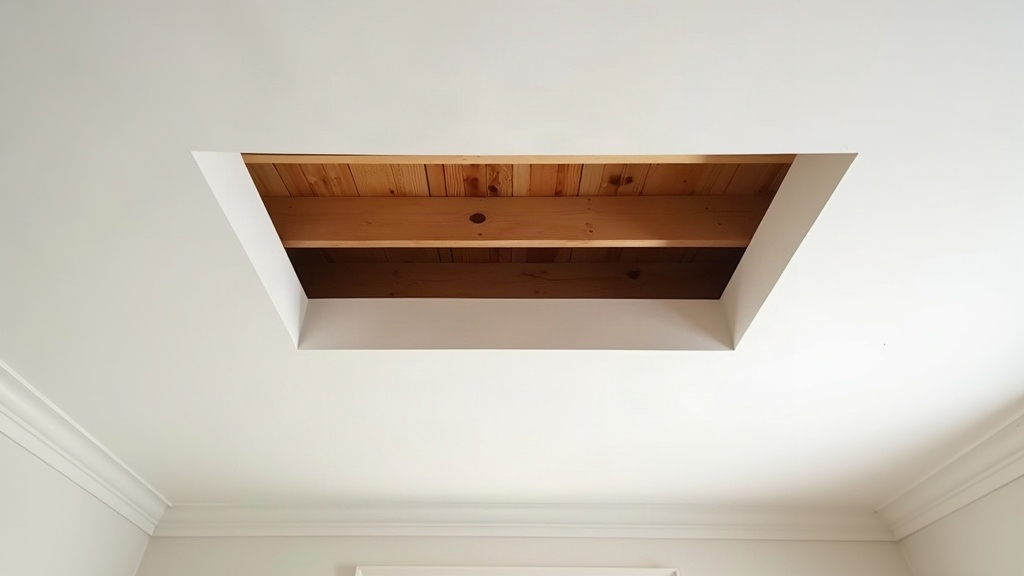
What Contributes to Mould Growth on Ceilings in Brisbane Homes?
Mould flourishes in environments where moisture is present. On ceilings, this moisture typically originates from two main sources.
How Does Condensation Lead to Mould Growth on Ceilings?
Condensation happens when warm, humid air meets a cooler surface. In Brisbane’s humid months, this is particularly prevalent in rooms that remain closed for long periods, such as bedrooms overnight, seldom-used spare rooms, or wardrobes against external walls. You may observe a light scattering of spots in corners or along the edges where the ceiling meets the walls.
In cases of condensation-related mould, the plasterboard behind it generally remains intact. The primary concern lies with the surface and airflow within the space.
How Do Leaks Foster Mould Growth on Ceilings?
Leaks present a distinct set of challenges. Water from a damaged roof, blocked gutters, or plumbing issues within the ceiling can seep into the plasterboard from above. This type of mould usually manifests as brown or yellow water stains that tend to spread after heavy rainfall.
This scenario requires immediate intervention. Plasterboard is comprised of a gypsum core encased in paper; once it becomes saturated, the paper provides nourishment for mould while the core’s structural integrity diminishes. Tackling the leak is essential. Any ceiling repairs carried out before addressing the leak will only serve as a temporary fix.
How Can You Determine If Mould on the Ceiling Has Damaged the Plaster?
A thorough inspection, combined with a gentle touch, can uncover much about your ceiling’s condition. Always wear gloves and a mask during your assessment.
- Check for stains: Mould surrounded by a brown ring indicates water intrusion from above.
- Evaluate the board: Press gently with a flat hand. A firm surface is ideal. Areas that feel soft, damp, or crumbling indicate damage to the plaster.
- Inspect the paint: Bubbles, blisters, or peeling patches suggest moisture seeping from behind.
- Examine the joins: Cracked or lifted joint tape typically follows water damage.
- Look for sagging: Any dip between the ceiling joists signifies that the board has lost strength and requires urgent attention.
If the board feels solid, dry, and unstained, you are likely dealing with surface mould. If any of the other indicators are present, prepare for a repair rather than a simple repaint.
When Is It Appropriate to Clean and Repaint Mould on the Ceiling?
Surface mould on sound plasterboard typically allows for cleaning and repainting. Queensland Health advises against dry brushing mould, as this can disperse spores into the air. They recommend using gloves, goggles, and a P2 mask while employing a mould cleaner, detergent, or white vinegar, but never mix vinegar with bleach (Queensland Health, Cleaning up mould after a disaster). It is crucial to note that bleach may not effectively treat porous surfaces, and plasterboard is indeed porous.
After cleaning, ensure the ceiling dries completely before painting, following these steps:
- Apply a stain-blocking primer: This prevents old mould marks and water stains from bleeding through the new paint.
- Use mould-resistant ceiling paint: Apply two coats of ceiling paint containing a mould inhibitor, specifically selected for the room.
- Improve airflow: Use a fan, open windows, or a ducted exhaust in damp areas to maintain the integrity of the new paint.
Painting directly over mould without proper cleaning and priming generally fails, with mould reappearing through the paint within a few weeks. Our team efficiently manages both preparation and painting. For further details on ceiling and interior painting in Brisbane, including the process involved, visit our website.
When Is Ceiling Replacement Essential Due to Mould?
If the plasterboard is soft, heavily stained, or sagging, it must be removed. A waterlogged ceiling can lose its structural integrity and pose a risk of collapse; therefore, it is vital not to leave damaged plaster in place.
What Is the Process for Repairing a Small Area of Mould on the Ceiling?
If the damage is confined to a specific area, the affected plasterboard will be cut out down to sound plaster. The framing will be checked to ensure it is dry. A new piece of plasterboard will be installed, the joints will be taped and set, and the repair will be sanded and painted to seamlessly blend with the existing ceiling.
When Is Complete Ceiling Replacement the Best Option?
When mould and water damage affect a significant portion of a room, replacing the entire ceiling often provides a neater finish. Multiple patches may be visible under certain lighting conditions and could ultimately cost more in the long run than starting anew. A new ceiling also offers the chance to select a type of board, such as moisture-resistant options for laundry areas, as well as the cornice style.
What Are the Health Risks Linked to Mould on the Ceiling?
Mould can pose health risks for some individuals. According to Queensland Health, mould may trigger health issues, and anyone in your household experiencing adverse effects from mould should consult a medical professional (Queensland Health).
Is It Possible to Manage Mould on the Ceiling Yourself?
Cleaning a few small spots on firm, dry plasterboard can be a DIY task if you use the right protective equipment. For larger areas, sagging ceilings, or persistent mould issues, it is advisable to enlist the help of a professional plasterer. Removing damaged plasterboard generates dust and spores, and ensuring proper installation into the framing is crucial to prevent future cracking or sagging.
What Factors Influence the Cost of Repairing Mould on the Ceiling?
Repair costs are determined by a thorough inspection of the ceiling. Key factors that influence the price include:
- Surface versus board: Cleaning and painting are less extensive than cutting out and replacing plaster.
- The extent of the damage: A single stained patch compared to multiple rooms or a larger area.
- Ceiling height: High ceilings and stairwells require more setup time.
- Cornice and intricate details: Matching or replacing existing cornices prolongs the timeframe.
- Paint finish: The number of coats and the type of paint required for the space.
The fastest way to obtain an accurate estimate is to request a free quote. Contact us with a photo of your ceiling and details regarding the duration of the mould’s presence.
How Can You Prevent Mould from Reappearing on the Ceiling After Repairs?
A repaired ceiling will remain clean if the room is kept dry.
- Ensure proper ventilation: Open windows when weather allows, particularly in bedrooms.
- Dry out the home: After heavy rainfall, Queensland Health recommends quickly ventilating your home by opening doors and windows.
- Address leaks promptly: A minor roof leak can damage a newly repaired ceiling within a single wet season.
- Monitor corners: Wipe away early signs of mould before it has a chance to spread.
If you’re uncertain whether the mould on your ceiling is superficial or embedded within the plaster, send us a photo, and we’ll provide guidance on your options.
Brisbane Plaster Pro. Call (07) 3064 0686. QBCC Licence 15576119 (MGH Contracting) and QBCC Licence 15511709 (All Paintworx).
Original Article First Published At: Mould on the ceiling: when it is a plaster problem
The Article: Mould on the Ceiling: Identifying Plaster Issues first appeared on https://writebuff.com
The post Mould on the Ceiling: Spotting Plaster Problems appeared first on Limits Of Strategy.
The Article Mould on the Ceiling: Identifying Plaster Issues found first on https://electroquench.com